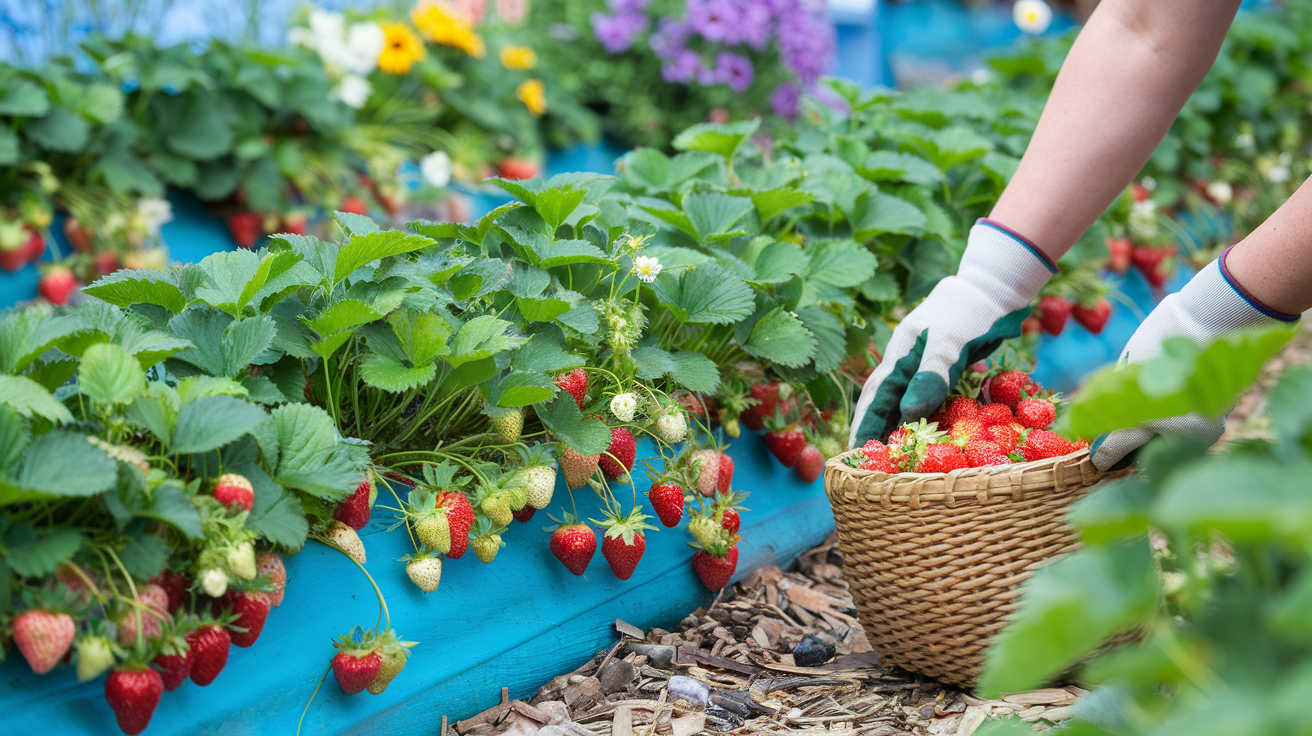
Why Grow Strawberries from Seeds?
1. Save Money and Enjoy Variety
Starting from seeds is more affordable than purchasing seedlings, and it offers access to a wider range of strawberry varieties, including heirloom and rare species.
2. Full Control Over Growth
By growing from seeds, you control every stage of the process, ensuring the plants are grown organically and without harmful chemicals.
3. A Rewarding Experience
Watching your strawberry plants grow from tiny seeds to fruit-bearing beauties is a satisfying and educational journey for the whole family.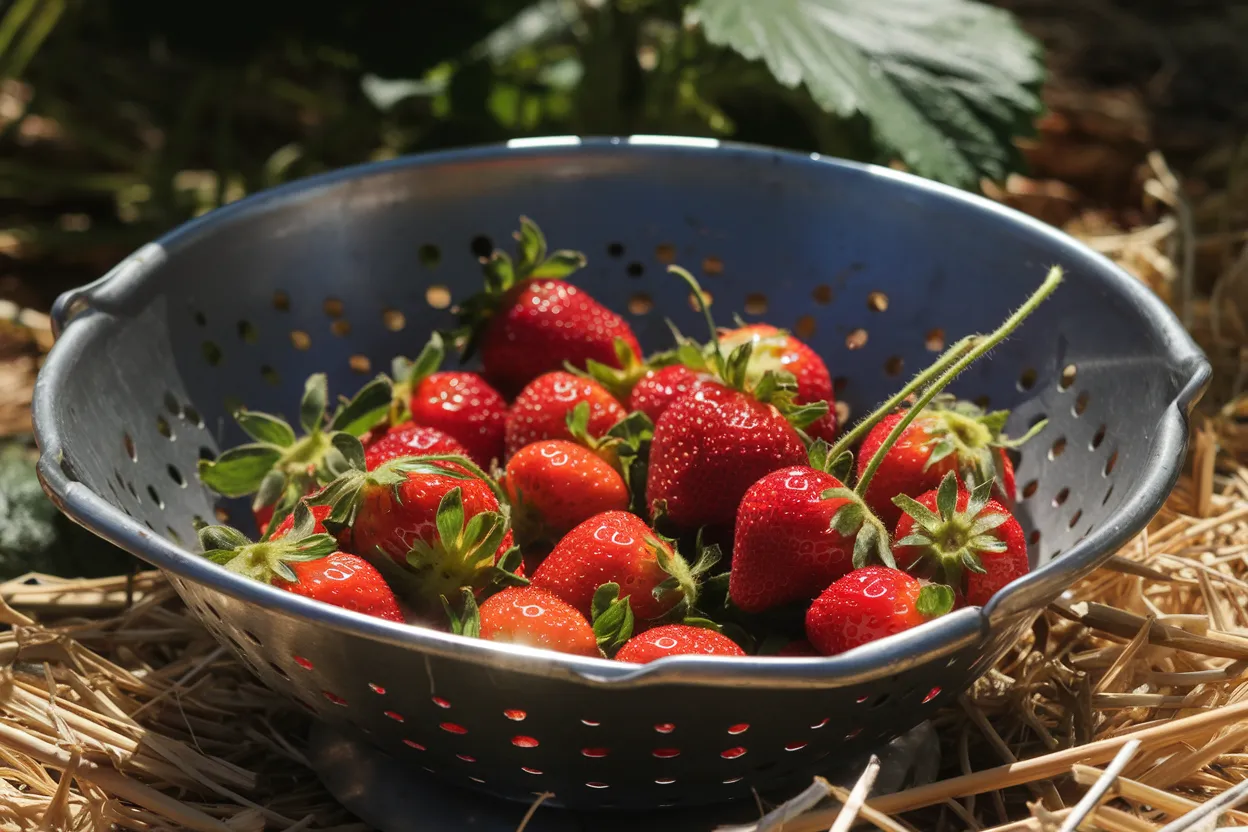
Elan - Organic Strawberry Seeds for Lush Home Gardens
When and Where to Plant Strawberries
Best Time to Plant
Spring is ideal for planting after the last frost. With warmer temperatures and longer daylight hours, strawberries thrive in spring conditions.
Ideal Growing Conditions
Soil: Strawberries prefer well-draining, nutrient-rich soil with a pH between 5.5 and 6.5.
Sunlight: Ensure at least 6-8 hours of direct sunlight daily.
Space: Allow 25-30 cm between plants for proper airflow and healthy growth.
How to Grow Strawberries from Seeds
Step 1: Prepare Your Seeds
For better germination, cold stratify your seeds by placing them in a damp paper towel inside a sealed bag. Refrigerate for 2-3 weeks before planting.
Step 2: Sow the Seeds
Fill seed trays or small pots with moist, well-draining potting soil. Sprinkle the seeds on the soil surface and lightly press them down without covering. Keep the soil moist and place the trays in a warm, sunny spot.
Step 3: Germination
Seeds typically germinate within 2-4 weeks. Maintain temperatures around 18-24°C (65-75°F) for the best results.
Step 4: Transplanting
When seedlings develop 3-4 true leaves, transplant them into your garden or larger pots. Space them out to prevent overcrowding and ensure proper growth.
Caring for Your Strawberry Plants
1. Watering
Strawberries need consistent moisture but dislike soggy soil. Water at the base to prevent leaf diseases.
2. Feeding
Use organic fertilizer every 2-4 weeks to boost fruit production. A balanced fertilizer with nitrogen, phosphorus, and potassium works best.
3. Mulching
Apply straw or mulch around the base of the plants to retain moisture, regulate soil temperature, and reduce weed growth.
4. Pest and Disease Management
Protect plants from pests like slugs and aphids using natural deterrents like diatomaceous earth or neem oil. Regularly inspect plants for signs of disease, such as powdery mildew, and act quickly to manage outbreaks.
When to Harvest Strawberries
Strawberries are ready to harvest about 4-6 weeks after flowering. Look for bright red berries with a sweet aroma. Pick them early in the morning for the best flavor.
Fun Ideas with Your Homegrown Strawberries
1. Fresh Treats: Enjoy them straight from the garden for a healthy snack.
2. Desserts: Use them in cakes, tarts, or homemade jams.
3. Freezing: Freeze excess berries to enjoy their flavor year-round.
Start Your Strawberry Journey Today!
Growing strawberries from seeds is a fulfilling experience that brings sweet rewards to your table. With a bit of care and patience, you can enjoy fresh, organic strawberries that are healthier and tastier than store-bought ones.
Ready to grow your own strawberries? Check out our premium selection of organic strawberry seeds today. Plus, enjoy free shipping on orders over $50!
Pro Tip: Start planting now for a summer harvest and enjoy the taste of your hard work all season long!