
.png?w=1100&h=733)
1. Why Grow Asparagus from Seeds?
- Long-Term Harvest: Asparagus is a vegetable that can keep growing for 10 to 15 years once it’s well established.
- Rich in Nutrients: It contains vitamins A, C, E, and K, as well as fiber and minerals.
- Delicious Taste: Asparagus stalks have a mild, fresh flavor and can be cooked in many ways.

2. Preparing and Soaking Your Seeds
-
Choose High-Quality Seeds
- Buy fresh asparagus seeds from a reliable source to increase your chances of successful germination(For example, our website).
-
Soaking the Seeds
- Purpose: Helps seeds absorb water and soften their outer shell, making sprouting easier.
- Amount of Water: Use enough water so that all seeds are fully submerged. Generally, 2–3 times the volume of the seeds is enough.
- Soaking Time: 12–24 hours is best. Water should be clean and at room temperature (about 20–25°C or 68–77°F).
- Will Seeds Be Damaged?: As long as you do not soak them for more than 48 hours and keep the water clean, the seeds will be fine. If water becomes cloudy or has a bad smell, replace it once.
3. Germination and Sowing
3.1 Containers and Soil
- Containers: You can use seed trays, pots, or even paper cups (make sure they have holes at the bottom for drainage).
- Soil Mix: A loose, breathable potting mix or a blend of garden soil and well-rotted compost (in a 3:1 ratio) works well.
3.2 Sowing Steps
- Planting Depth
- Make a small hole about 1 cm deep, drop in a seed, and cover lightly with soil.
- Watering and Moisture
- After sowing, water thoroughly but avoid waterlogging.
- You can cover the container with plastic wrap to keep moisture in, but remove it once seeds sprout.
- Temperature for Sprouting
- Asparagus seeds like temperatures of around 20–25°C (68–77°F). They usually sprout in 2–3 weeks.
- Daily Care
- Place containers in a spot with soft light, not direct sun. Once seedlings reach about 10–15 cm (4–6 inches), they can be moved outdoors or into larger pots.
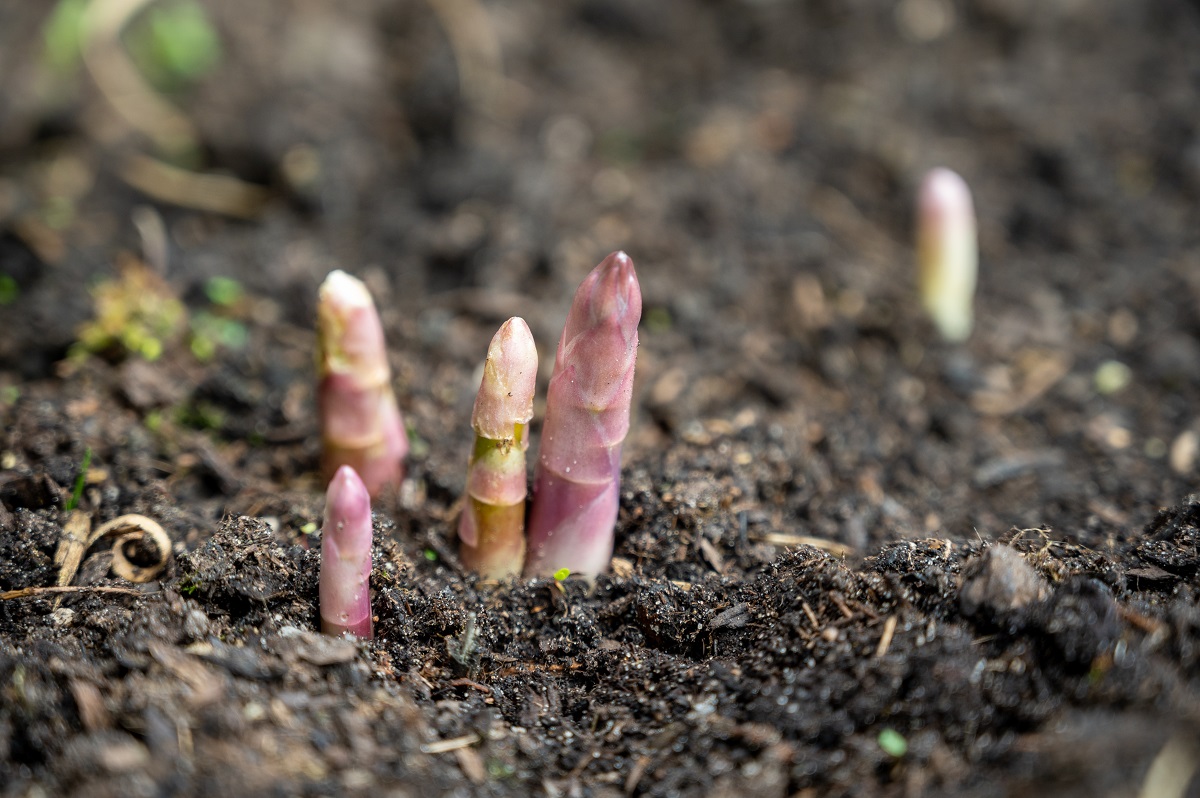
4. Transplanting Outdoors (or into Bigger Pots)
-
Best Time for Transplanting
- When the outdoor temperature stays above 10°C (50°F), usually in late spring or early summer.
-
Soil Preparation
- Depth: Loosen soil about 30 cm (12 inches) deep so asparagus roots can grow well.
- Fertilizer: Mix well-rotted compost or organic matter into the planting area.
-
Spacing and Depth
- Keep about 30 cm (12 inches) between each asparagus seedling and around 1 m (3 feet) between rows.
- Plant them so the base of the seedling is level with the soil surface, then gently press the soil around the roots.
-
First Watering
- After transplanting, give a good soak so the roots can settle in. Water again whenever the topsoil feels dry.
5. Daily Care Tips
-
Watering
- Asparagus likes moist soil but not standing water. Water once or twice a week, depending on weather.
- If it rains enough, you can reduce additional watering.
-
Fertilizing
- The first growing season, apply a bit of compost or balanced fertilizer in early spring and again in early fall.
- In later years, feed each spring before new shoots appear for better growth.
-
Weeding
- Pull weeds regularly so they don’t compete with asparagus for water and nutrients.
- A layer of mulch (like straw) can help keep weeds down and maintain moisture.
-
Pests and Diseases
- Keep an eye out for common insects like aphids or spider mites. You can remove them by hand or with mild, eco-friendly sprays.
- Ensure good airflow around plants to help prevent fungal issues.
-
Winter Protection
- In cold climates, cover the base of plants with straw or leaves for extra warmth. Remove this cover when spring temperatures rise.
6. Harvesting Asparagus
-
Limited Harvest in First Two Years
- Let the plants grow without much harvesting during the first two years so they can build strong roots.
-
Start Picking in the Third Year
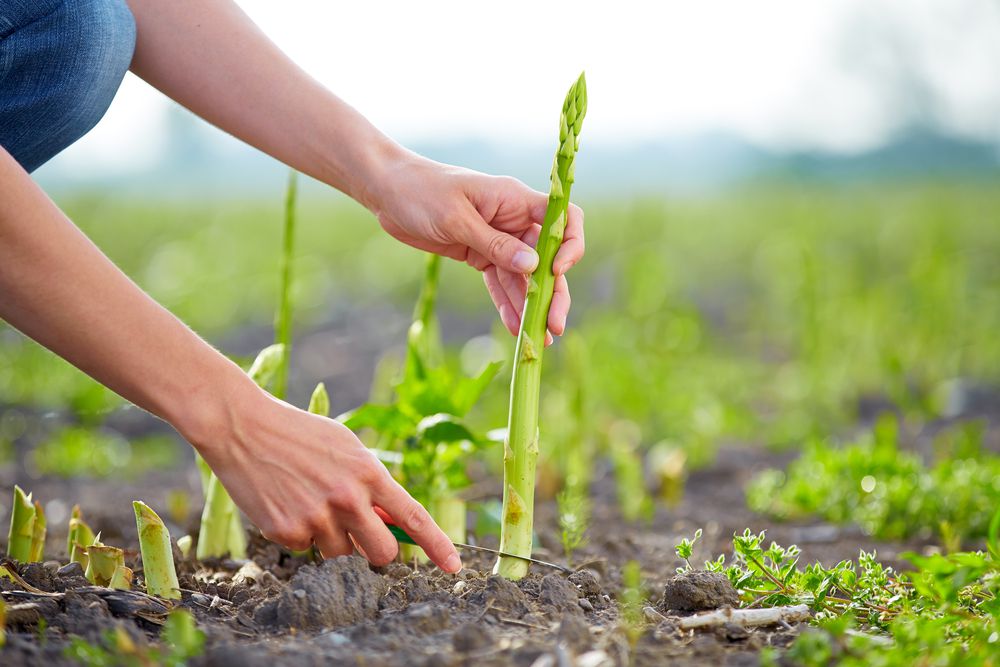
- Once the plants are mature (about three years), watch for spears in spring.
- Cut spears at about 15–20 cm (6–8 inches) tall, leaving a small stump.
-
Extending the Harvest
- Harvest can continue for 6–8 weeks if plants are healthy. After that, let the remaining spears grow into tall, fern-like stalks, which feed the roots for next year.
7. Health Benefits
-
High in Vitamins
- Asparagus contains vitamins A, C, E, and K, plus minerals like folate, all important for a healthy body.
-
Good for Digestion
- It has fiber that helps keep the digestive system working smoothly.
-
Low in Calories
- A great choice for anyone looking for a tasty yet light vegetable option.
8. Cooking Suggestions
-
Boiling or Steaming
- Place spears in boiling water for 2–3 minutes, then rinse in cold water to keep them crisp.
- Steaming also takes just a few minutes. Use a bit of salt, pepper, or your favorite dressing.
-
Stir-Frying
- Cut the spears into pieces and stir-fry with garlic, a little oil, and a pinch of salt. Quick and easy.
-
Roasting or Grilling
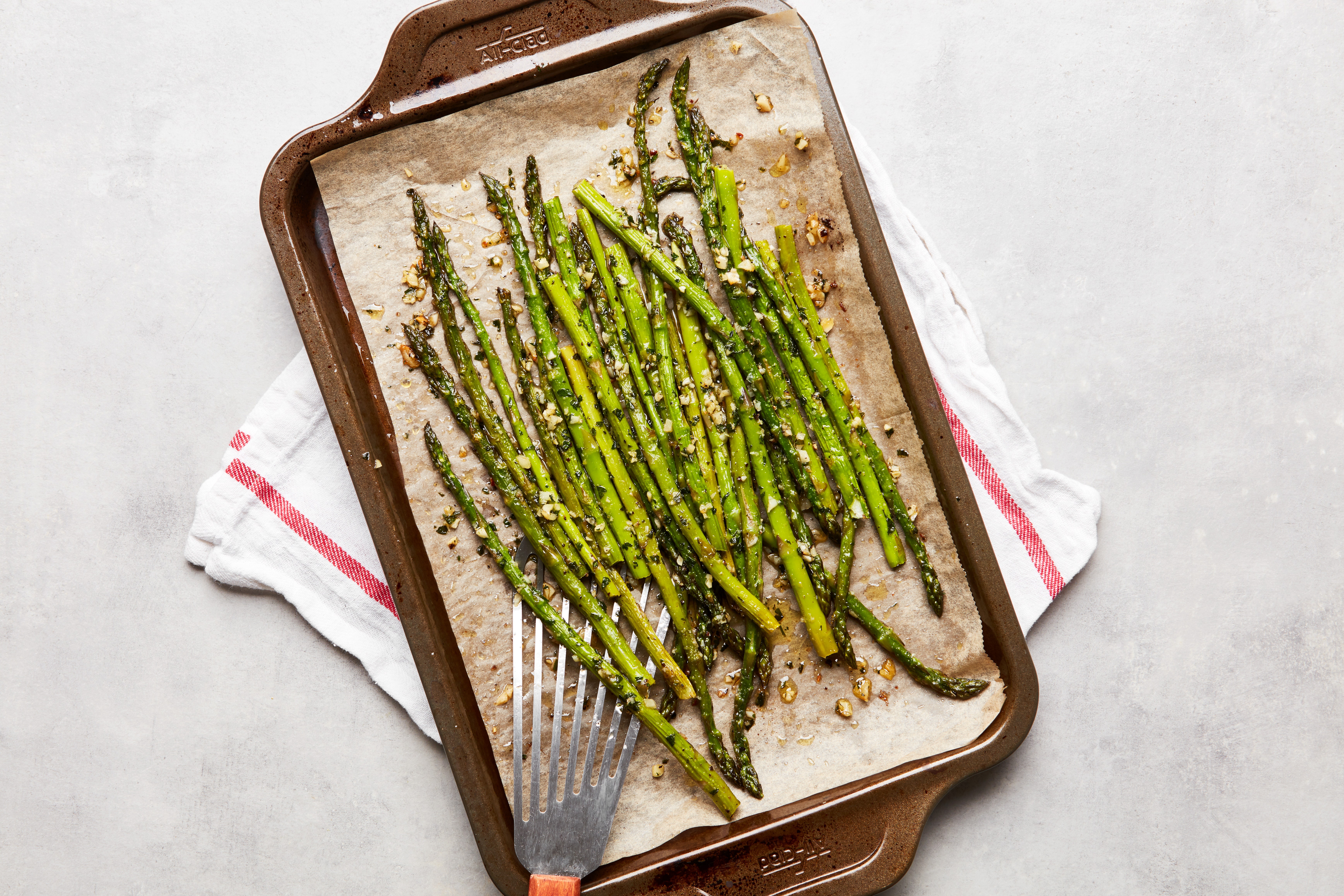
- Brush spears with oil, sprinkle with salt and pepper, then roast in an oven at around 200°C (400°F) for about 10–15 minutes.
- On a grill, cook for just a few minutes, turning often.
9. Common Questions
-
Why Are My Asparagus Shoots Thin?
- Early on, roots are building up strength. In later years, shoots will become thicker as the plant matures.
-
Will Soaking Seeds Ruin Them?
- No, as long as you soak them for 12–24 hours in clean water. If you see cloudy water, change it once during the soak.
-
Can I Grow Asparagus in a Pot?
- Yes, but use a pot at least 30–40 cm (12–16 inches) deep and give the plants enough light.
10. Final Tips
- Be Patient: Growing asparagus from seeds requires about 2–3 years before a full harvest, but then you can enjoy fresh spears for many seasons.
- Good Soil and Sunlight: Make sure the soil is rich and well-draining, and let your plants soak up plenty of sunlight.
- Regular Care: A little effort—watering, weeding, and occasional feeding—goes a long way toward strong, healthy plants.
- Yearly Joy: Once the plants are established, they can produce a steady supply of tasty asparagus every spring.
By following these steps, you can successfully grow asparagus from seeds at home. Enjoy the satisfaction of cultivating a long-lasting crop that offers health benefits and delicious flavor for years to come!