
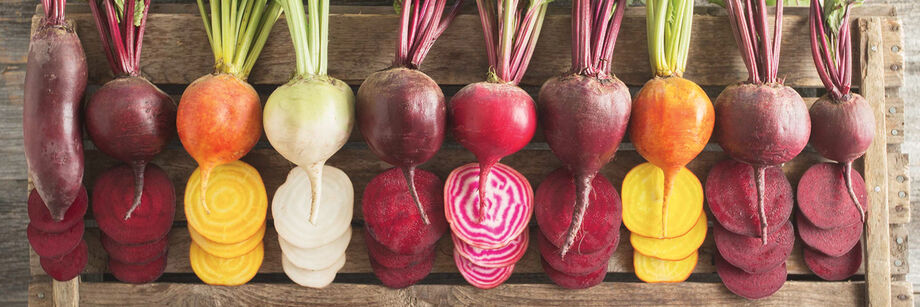
1. Why Grow Beets?
- Naturally Sweet & Nutritious: Beets are rich in vitamins, minerals, and fiber, with a pleasant earthy sweetness.
- Adaptable for Many Meals: Whether roasted, boiled, or used fresh in salads, beets bring color and flavor to your plate.
- Easy from Seeds: With the right soil and care, beet seeds sprout reliably and mature quickly.
2. Before You Begin
- Choose a Sunny Spot
- Beets need at least 6 hours of direct sunlight each day. If you have a garden bed or large container with good light, that’s ideal.
- Prepare Loose Soil
- They develop best in soft, well-draining soil. This allows the roots to grow straight and plump.
- Mix in some compost if you can, ensuring the ground or potting mix is nutrient-rich but not soggy.
- Plan the Timing
- If your region has cold winters, sow seeds outdoors after the danger of hard frost. In milder climates, beets can be planted in early spring or late summer for a fall crop.

3. Starting from Seeds — Two Common Ways
A. Direct Sowing Outdoors
- Mark Your Rows
- Use a stick or string to create shallow furrows (small trenches). Each furrow should be about 1 cm (½ inch) deep.
- Place the Seeds
- Drop seeds into the furrow, leaving about 8–10 cm (3–4 inches) between each seed. Beet “seeds” often contain more than one seed cluster, so you’ll thin them later.
- Cover and Water
- Gently push soil over the seeds and pat it down. Water thoroughly but lightly to avoid washing them away.
- Keep Moist
- Water as needed to keep the topsoil damp but not soaked. Germination usually takes 1–2 weeks.
Advantages of Direct Sowing
- Minimal handling of seedlings
- Roots settle in place without being disturbed
Points to Watch For
- Some seeds in each “cluster” may sprout together, so thinning (removing extra seedlings) is key to avoid crowding.
B. Starting in Pots or Trays
- Fill with a Good Mix
- Use potting mix that drains well. Fill small pots or seed trays to near the top.
- Sow One Seed Cluster Per Cell
- Poke a shallow hole (around 1 cm deep), drop in one seed cluster, and cover gently.
- Water & Wait
- Keep soil evenly moist. Place trays somewhere warm (15–25°C / 59–77°F).
- Transplant
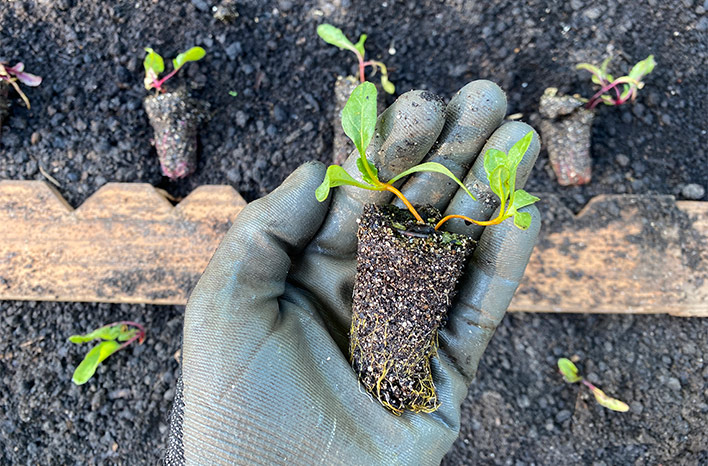
- When seedlings reach about 5–7 cm (2–3 inches) tall, gently move them to the garden or a larger container. Space them 10–12 cm (4–5 inches) apart to give each root room.
Advantages of Pots/Trays
- Easier to control temperature and moisture
- You can pick the strongest seedlings for transplant
Points to Watch For
- Roots can be sensitive when you transplant, so handle seedlings gently and do not pull hard on the stems.
4. Caring for Growing Beet Plants
- Water Regularly
- Aim for consistent moisture. Overly dry soil can lead to woody or stunted beets. Overwatering can cause rot.
- Thin the Seedlings
- If multiple sprouts appear together, select the healthiest seedling and remove the rest by snipping them at soil level. This prevents root disruption.
- Light Feeding
- Beets don’t need heavy fertilizer, especially if your soil is already enriched with compost. A gentle, balanced plant food can be applied once the plants start to form visible roots (around a few weeks after germination).
5. Harvesting Beets
- When Are They Ready?
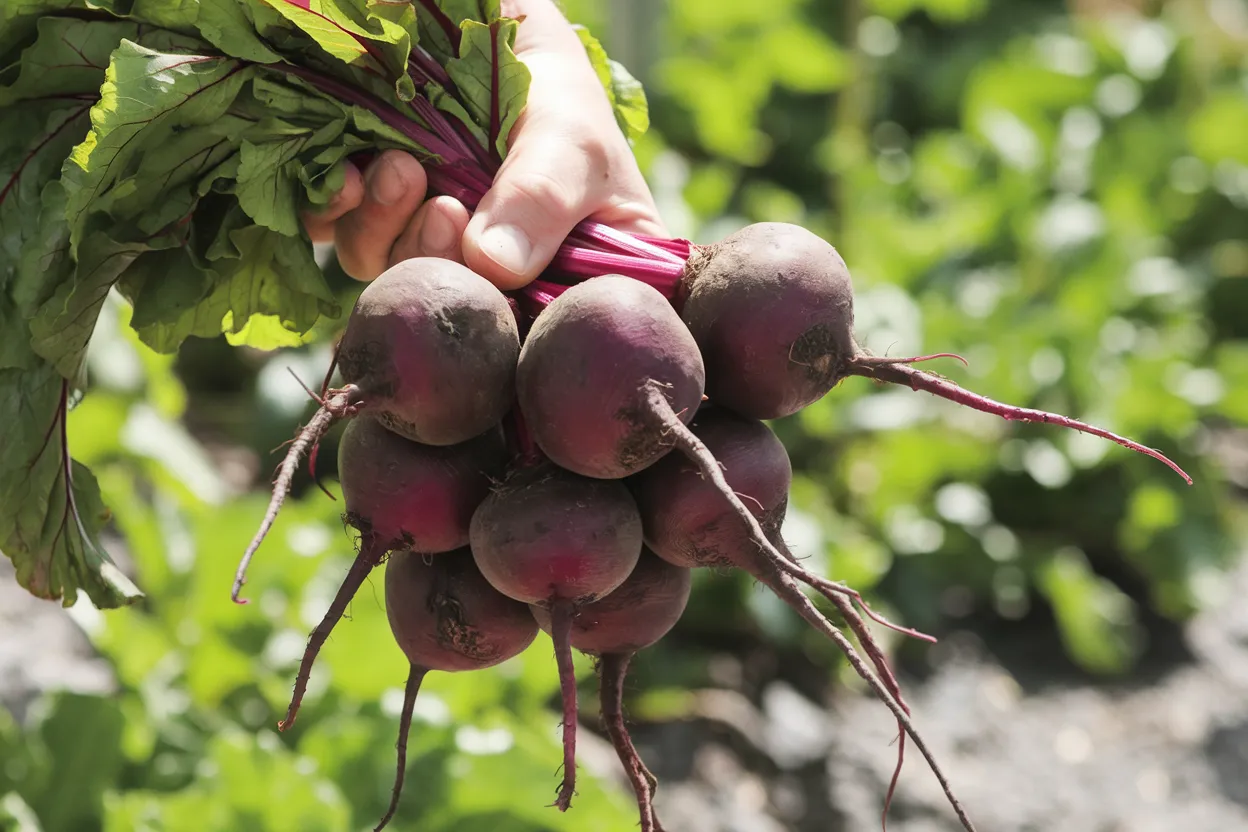
- Most varieties mature in about 8–10 weeks, though you can pick smaller “baby” beets earlier if you prefer.
- The tops may be 15–20 cm (6–8 inches) tall. Look for a round or bulbous shape at the soil surface.
- How to Pull Them Up
- Gently grip the leaves at the base and twist or lift. If the soil is dense, loosen it with a small garden tool before pulling to avoid damage.
- Use the Greens Too
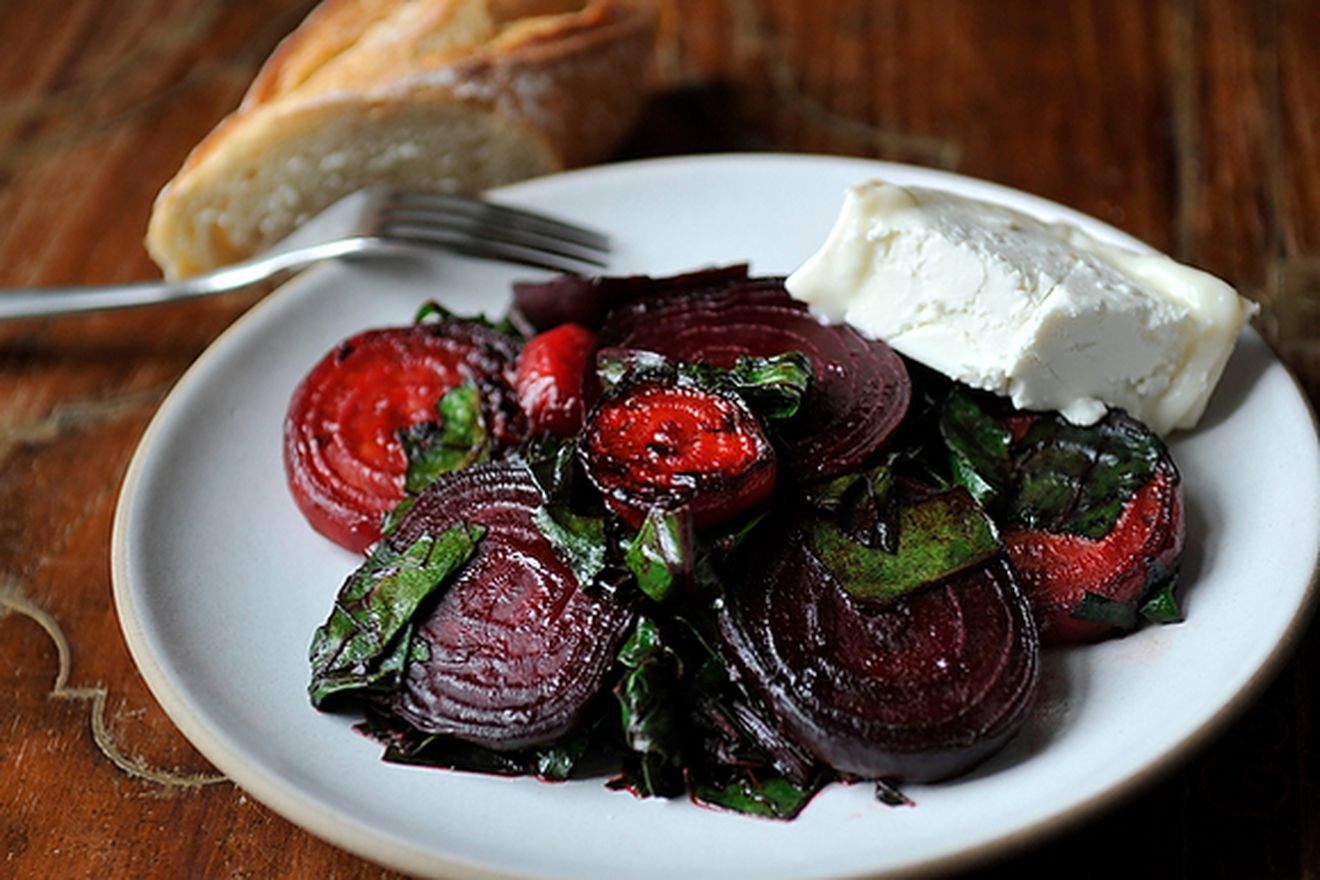
- Beet leaves are packed with nutrients. You can cook or sauté them like spinach, or add fresh leaves to salads.
6. Enjoying Beets in Your Kitchen
- Roasted Beets
- Peel, cut into chunks, toss in oil, and bake until tender. This method brings out their natural sweetness.
- Boiled or Steamed
- Place whole or sliced beets in water or a steamer basket for about 15–20 minutes (depending on size).
- Raw or Pickled
- Try shredding them into salads or pickling them with vinegar and spices for a tangy side dish.
7. Why Our Beet Seeds Are Special
- High Germination Standards: We select each batch for freshness, so more of your seeds will sprout.
- Better Varieties: Our beet seeds are known for producing sweet, vibrant roots and tasty greens.
- Friendly Guidance: We offer tips and answers to help you succeed, whether you’re a new gardener or returning fan.
8. Frequent Questions
- Do I have to soak beet seeds?
- Soaking isn’t required, but a short soak (a few hours) can soften the seed coating and speed up sprouting.
- Can I grow beets in containers?
- Absolutely. Just ensure the pot is at least 20 cm (8 inches) deep for proper root development.
- How soon can I eat the greens?
- Beet greens can be harvested any time they look healthy. Just leave enough leaves so the plant can continue growing.
9. Final Tips
- Stay Consistent: Keep your soil moisture steady from seed to harvest.
- Don’t Skip Thinning: Overcrowded beets compete for nutrients and won’t form full, round roots.
- Try Succession Planting: Sow new seeds every few weeks for a longer harvest season.
Ready to Grow?
Head over to our website and check out our premium beet seeds. They’re easy to work with, and we’re here to support you every step of the way. Enjoy the sweet taste of fresh, homegrown beets—you’ll be surprised by how satisfying it can be!